Pittsburgh's North Hills · ZO® Skin Health Medical-Grade Peels
Chemical Peels. In Pittsburgh's North Hills.
Medical-grade exfoliation for those concerned about dull tone, discoloration, and uneven texture. Always Melissa.
The Approach
Fresh skin, beneath the surface.
Chemical peels use professionally applied acid solutions to lift away dead surface cells and prompt fresh cell turnover. At Aetheria we work with ZO® Skin Health peels at two depths, a gentle no-downtime Stimulator Peel and a deeper 3-Step Peel, so the treatment can be matched to your skin and your schedule. Every peel is performed by Melissa Kolowitz, PA-C.
Clinical Summary
A chemical peel applies a clinical-grade acid solution that loosens the bonds holding dull, damaged surface cells, prompting controlled exfoliation and fresher skin underneath. Aetheria uses ZO Skin Health peel systems at depths matched to your skin and goals: from light refresher peels with minimal downtime to deeper treatments for pigment, sun damage, and texture. Peels suit patients dealing with uneven tone, melasma-pattern pigment, rough texture, or post-acne marks, and they are planned around your sun exposure and event calendar, since peeling skin needs several days of simple aftercare. At the Pittsburgh North Hills studio, every peel is performed by Melissa Kolowitz, PA-C after a skin assessment, often as part of a broader plan alongside microneedling or home skincare. Depth, formula, and frequency are clinical decisions made at consultation. Individual results vary.
What Is a Chemical Peel?
Two depths. One system.
A chemical peel is a professionally applied solution that exfoliates the outer layers of the skin in a controlled way. As dull, damaged surface cells lift away, the skin steps up cell renewal and collagen production, revealing a fresher, more even complexion underneath. At Aetheria we use ZO® Skin Health peels because they offer well-studied formulas at more than one depth.
ZO® Stimulator Peel · The lunchtime peel
The Stimulator Peel blends lactic, glycolic, and citric acids for a gentle refresh with little to no visible peeling, often called a lunchtime peel. The gentle peel is comfortable throughout, and most sessions take about 30 minutes.
There is little to no visible peeling afterward. Many patients notice an immediate glow, and a peel every two to four weeks keeps the refresh going.
ZO® 3-Step Peel · The deeper renewal
The 3-Step Peel combines retinol, salicylic acid, and TCA for deeper exfoliation, a few days of light flaking, and an at-home component that continues the renewal between visits.
Light flaking starts around day two and settles within about five days, with deeper renewal building over one to two weeks. A corrective series is typically spaced every four to six weeks, then maintained quarterly or as your skin calls for it.
Choosing the depth · Together, at consult
Every peel works on the same principle: controlled exfoliation prompts the skin to renew itself. The depth of the peel decides how much renewal you get and how much downtime comes with it.
Melissa recommends the depth that fits your skin, your concerns, and your calendar at consultation. If deeper texture, scarring, or laxity concerns are the priority, she may suggest microneedling or Morpheus8® instead, or a plan that sequences them.
How a ZO Peel Works
The skin renews itself.
Two Depths
The gentle Stimulator Peel offers a quick refresh with no downtime; the 3-Step Peel works deeper for more lasting renewal.
Brighter, More Even Tone
Controlled exfoliation softens the look of dullness, discoloration, and sun damage.
Collagen Support
Peels stimulate cell turnover and support collagen production for smoother-feeling skin over time.
Downtime You Choose
From no visible peeling to a few days of light flaking, the depth you choose sets the recovery.
What Chemical Peels Treat
Tone, clarity, and texture.
Dull, Uneven Tone
Lifts away the surface buildup that leaves a complexion looking tired or blotchy.
Sun Damage and Discoloration
Softens the look of sun spots and uneven pigment that accumulate over time.
Acne-Prone Skin
Salicylic acid in the deeper peel helps clear congestion and calm breakout-prone skin.
Superficial Acne Marks
Improves the look of shallow post-acne marks and the uneven texture they leave behind.
Fine Lines
Smooths early surface lines as exfoliation and collagen support take hold.
Enlarged Pores and Texture
Refines rough, congested texture and the look of enlarged pores.
Candidacy
Who this is for.
You're probably a great candidate if:
You want a noticeable refresh without needles or significant downtime. You want brighter, more even tone or smoother surface texture. You're concerned about sun damage, discoloration, or breakout-prone skin. You like having a choice between a no-downtime refresh and a deeper renewal. You want a provider who will recommend a different treatment when a peel is not the right answer.
Let's talk first if:
You're pregnant (we'll wait). You have an active infection, open lesion, or recent procedure at the treatment site (we'll treat once it settles). If deeper texture, scarring, or laxity concerns are the priority, Melissa may suggest microneedling or Morpheus8 instead, or a plan that sequences them. Individual results vary.
"If this isn't the right tool, we'll say so."

A note from Melissa
The right depth, not the strongest acid.
A personalized peel reveals the fresh, healthy skin beneath the surface. Matching the depth to your skin, rather than defaulting to the strongest formula, is what keeps the result both visible and natural.
Peel results depend on choosing the right depth for your skin, preparing the skin properly, and supporting it afterward, not on reaching for the strongest acid available. A measured, considered approach is the right clinical approach, and it is how every peel is planned at Aetheria.
Why Aetheria for Chemical Peels
Measured, not aggressive.
Provider-performed
Your peel is applied by a PA-C, not handed off. The plan you agree on at consultation is the one Melissa carries out. Always Melissa. Same provider, same clinical eye every visit.
Depth matched to your skin
Stimulator or 3-Step based on your skin, your history, and your calendar.
The full ZO system
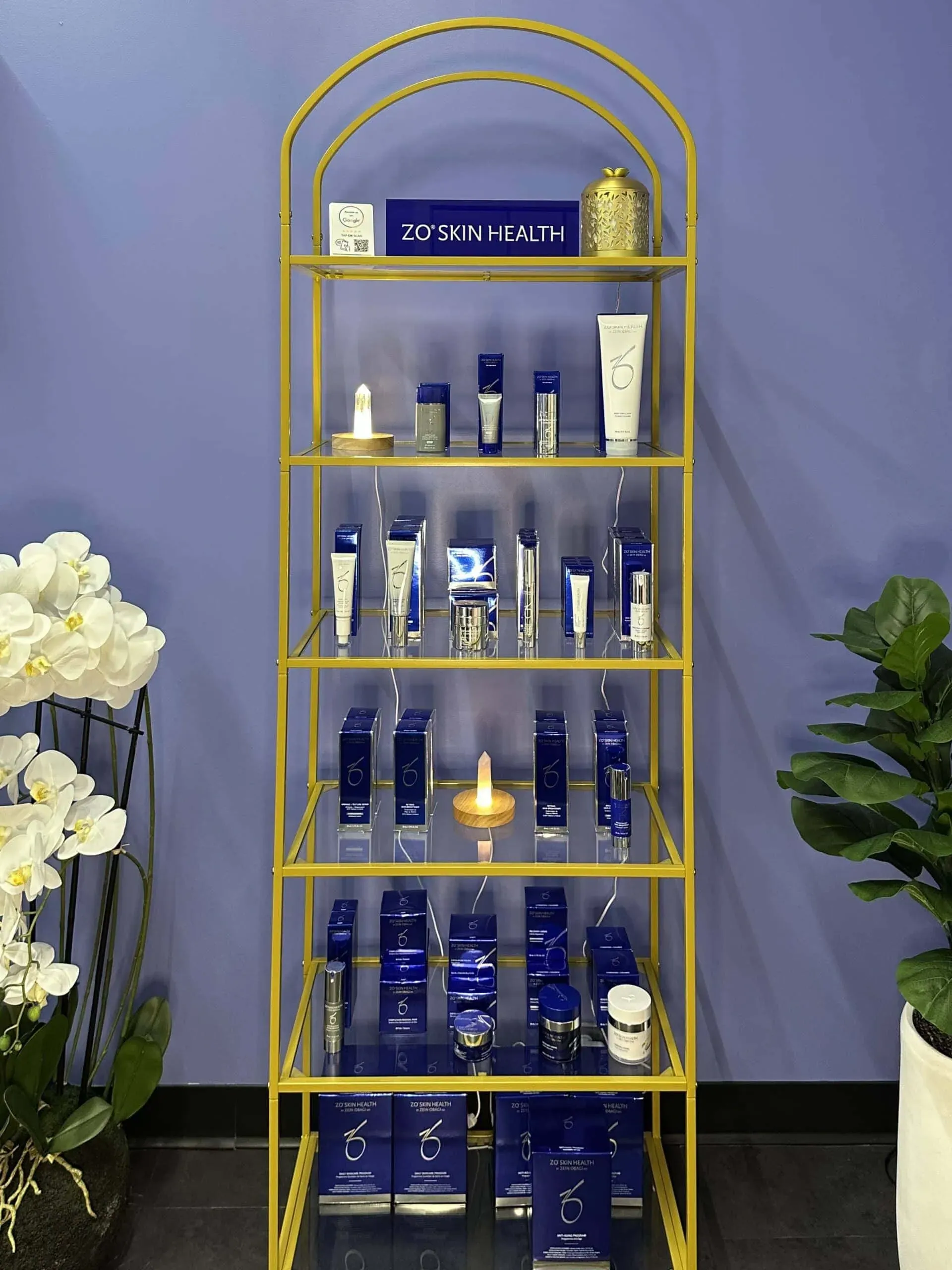
Pre- and post-peel skincare guidance that protects and extends the result.
Honest fit assessment
If microneedling or another treatment is the better answer, Melissa will tell you.
Your Chemical Peel Visit
From consult to cadence.
Consultation.
Melissa evaluates your skin type, concerns, and goals, then recommends the right peel depth and timing. About 30 minutes, with no pressure to treat the same day.
Your peel.
The solution is applied to cleansed skin in a controlled sequence. The gentle peel is comfortable throughout; the deeper peel can bring a brief tingling or warming feeling. Most sessions take about 30 minutes.
Recovery.
The Stimulator Peel typically has no visible peeling, just a refreshed look. The 3-Step Peel brings light flaking that starts around day two and settles within about five days.
Results and cadence.
Many patients notice an immediate glow from the gentle peel, with deeper renewal building over one to two weeks after the 3-Step. Repeat peels are planned every few weeks to quarterly, based on your skin.
What patients say
In their words.
I received the ZO Stimulator peel at Aetheria and oh my goodness. I don't think I was prepared for the BIG results that this light peel had to offer. The glow afterwards made me feel empowered.
Melissa did a wonderful job listening to my goals and helping me determine what services were right for me. She could have easily convinced me to do more, but she was honest and only suggested what I truly needed.
Had a wonderful consultation with the owner, Melissa. She took her time and walked me through all her services and answered my questions without trying to oversell me.
Common Questions
Straight answers.
What patients ask before booking.
Which ZO peels do you offer, and how do they differ?
We offer two. The Stimulator Peel blends lactic, glycolic, and citric acids for a gentle, no-downtime refresh, often called a lunchtime peel. The 3-Step Peel combines retinol, salicylic acid, and TCA to work deeper, with a few days of light flaking and a longer-lasting renewal. Melissa recommends the depth that fits your skin, your concerns, and your calendar at consultation.
How much will my skin actually peel?
It depends on the depth. The Stimulator Peel produces little to no visible peeling, just a refreshed look. With the 3-Step Peel, light peeling or flaking typically starts two to three days after treatment and lasts up to about five days. We walk you through exactly what to expect and how to care for the skin while it sheds, so nothing comes as a surprise.
Does a chemical peel hurt, and is there downtime?
The Stimulator Peel is comfortable for nearly everyone. The 3-Step Peel can bring a mild tingling or warming feeling while it is applied, which settles quickly. Downtime follows depth: none for the gentle peel, and a few days of flaking for the deeper one. Most patients keep their normal routine and simply protect the skin from sun while it renews.
How often should I get a chemical peel?
For the Stimulator Peel, every two to four weeks keeps the refresh going. The 3-Step Peel is typically spaced every four to six weeks during a corrective series, then maintained quarterly or as your skin calls for it. Melissa builds a realistic cadence around your skin and goals, and adjusts it based on how your skin responds. Individual results vary.
How does a chemical peel compare with microneedling?
They renew the skin through different routes. A peel works chemically from the surface down, lifting away damaged outer layers, which makes it excellent for tone, discoloration, and surface texture. Microneedling works mechanically from within, prompting new collagen for scars and firmness. Many patients benefit from both in sequence, and Melissa helps you choose the right starting point at consultation.
Want the deep dive? Read the complete chemical peel guide →
When you're ready.
We serve patients across Pittsburgh's North Hills, including Ross Township, Wexford, Cranberry Township, Sewickley, and Mars.