

Pittsburgh's North Hills · Injectable Collagen Stimulation
Sculptra®. In Pittsburgh's North Hills.
Gradual collagen rebuilding for natural-looking volume. Always Melissa. Always a conservative clinical approach.
The Approach
Built over months.
Naturally yours.
Sculptra is the rare injectable where a conservative, considered approach isn't a positioning line. It's the right clinical approach. Unlike traditional dermal fillers that add volume on day one, Sculptra triggers your body to produce new collagen over three to six months. The result emerges gradually, looks naturally yours, and lasts two years or longer.
Clinical Summary
Sculptra is an injectable poly-L-lactic acid biostimulator: rather than filling a line directly, it prompts your own fibroblasts to produce new collagen over the weeks and months after treatment. It suits patients with broad, gradual volume loss (temples, cheeks, the lower face) who want to age slowly and look consistently rested rather than visibly treated. A typical course at Aetheria Aesthetics & Wellness is two to three sessions spaced several weeks apart, performed by Melissa Kolowitz, PA-C at the Pittsburgh North Hills studio. Results emerge gradually as collagen rebuilds, which is precisely why patients choose it; aftercare includes several days of brief facial massage. Because the response builds with your own biology, the timeline is measured in months, not days. Whether Sculptra, a hyaluronic acid filler, or a combination is right for you is decided at consultation. Individual results vary.
What Is Sculptra?
The science of PLLA.
Sculptra doesn't add volume on the day of treatment. It triggers your body to build its own.
Poly-L-lactic acid · The biostimulator
Sculptra is poly-L-lactic acid (PLLA), an FDA-approved injectable biostimulator that triggers your body to produce new collagen over a period of three to six months.
Unlike hyaluronic acid fillers such as Restylane® or RHA®, Sculptra doesn't add volume on the day of treatment. Microparticles of PLLA are placed in deeper tissue layers, and your body responds by building collagen around them.
The result · Your own collagen
The visible result emerges gradually as that new collagen accumulates. Most patients see subtle change at month three, with full results between months four and six.
Because the volume you see is your own collagen, the appearance tends to look natural rather than treated, and the result typically lasts two years or longer.
The history · Decades of use
Sculptra has been used in Europe since 1999 and FDA approved for cosmetic use in the United States since 2009.
It was originally developed to restore facial volume in patients with HIV-related lipoatrophy, and the same mechanism is now used for age-related volume loss across the cheeks, temples, jawline, and decolletage.
Sculptra Before and After
Gradual, then lasting.
Sculptra results emerge gradually as your body rebuilds collagen over three to six months. The cases below are clinical study patients supplied by Galderma, the manufacturer of Sculptra.
Maidelys, age 38
Sculptra 8 mL reconstitution, nasolabial folds. 3 vials administered. Result shown at 9 months after final session.
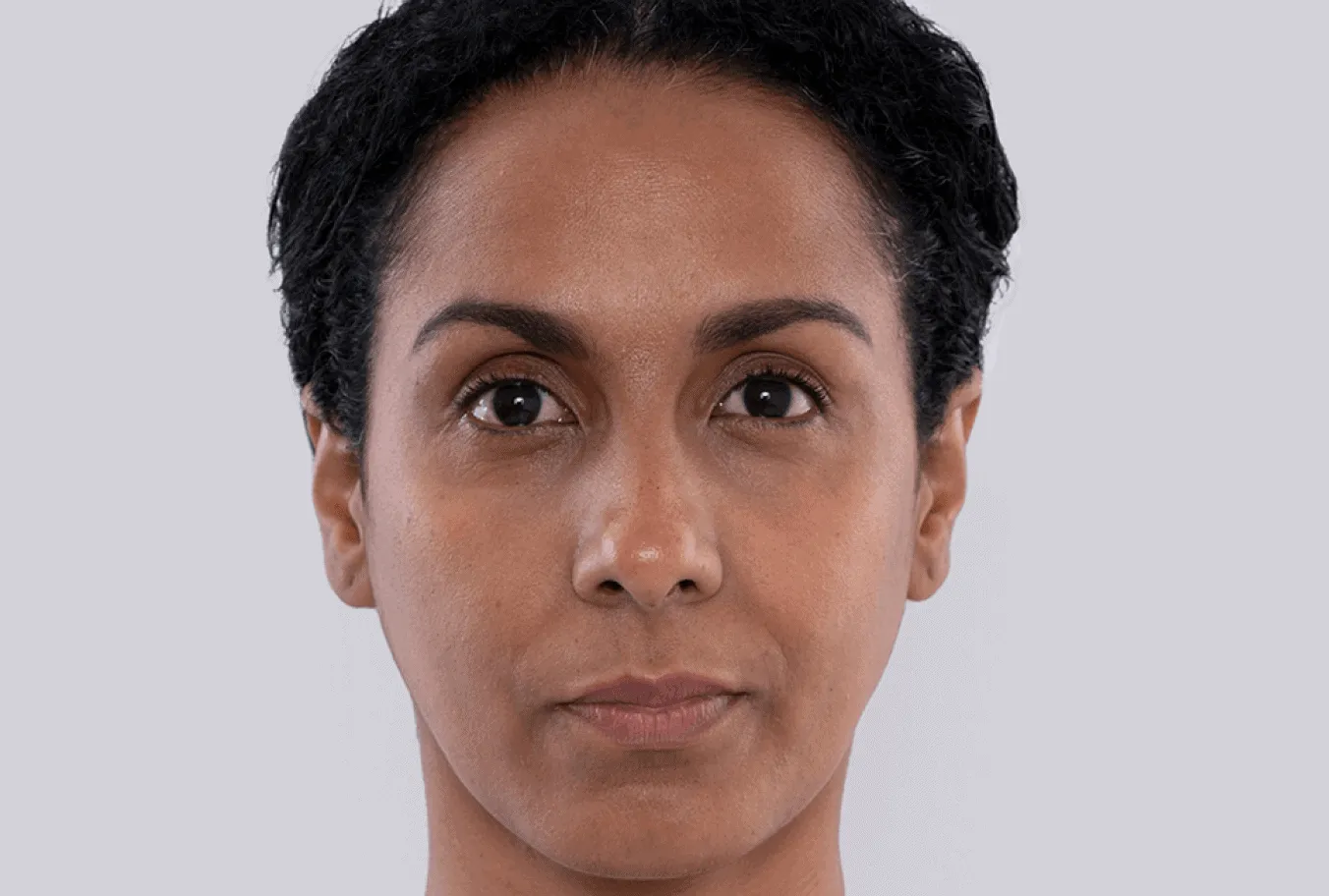 Before · Prior to Treatment
 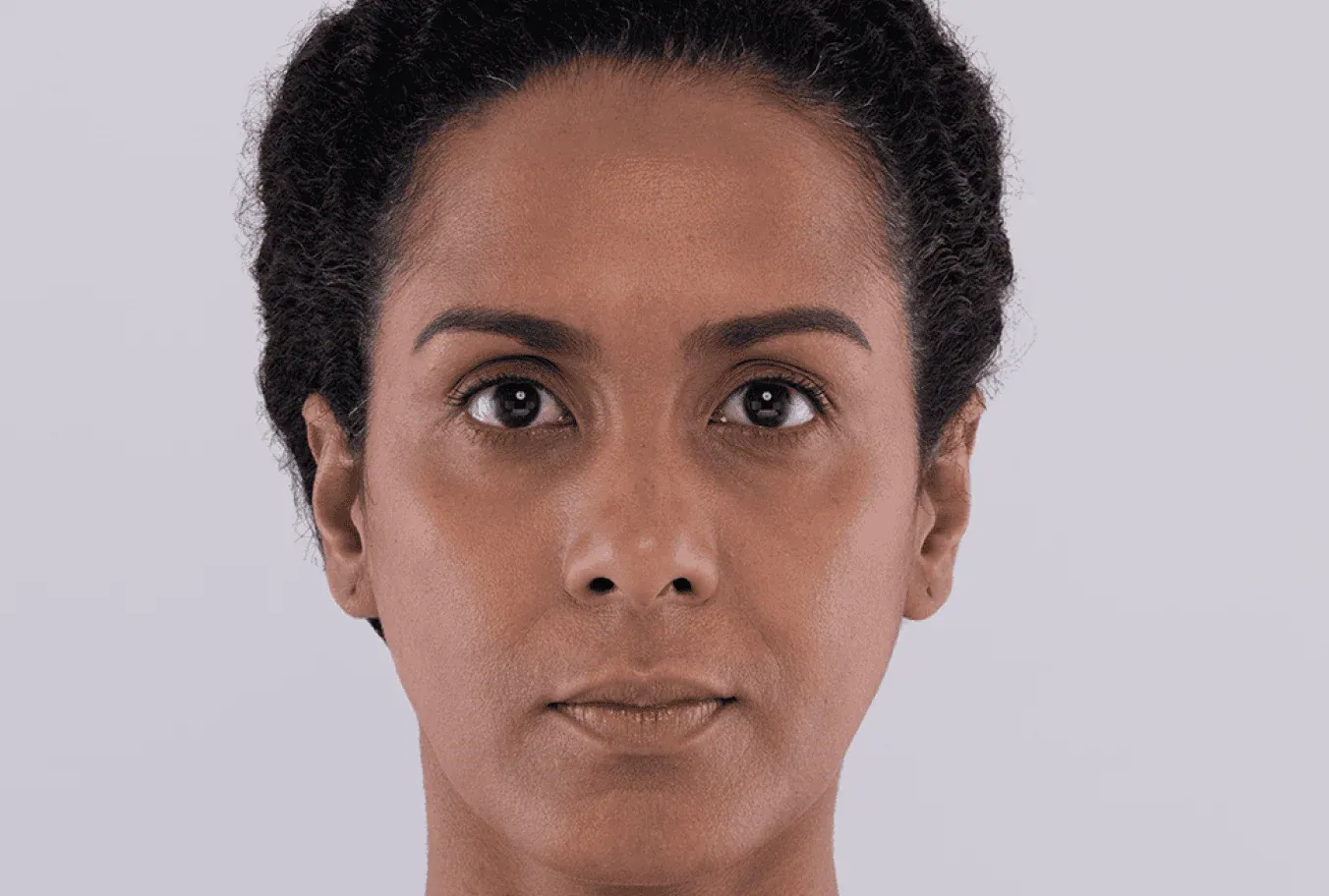 After · Final Session + 9 Months
 Farney, age 33
Sculptra 8 mL reconstitution, broader cheek area. 6 vials administered. Result shown at 6 months after final session.
 Before · Prior to Treatment
  After · Final Session + 6 Months
 Anna, age 43
Sculptra 5 mL reconstitution, nasolabial folds and facial wrinkles. 6 vials administered. Result shown at 6 months after final session.
 Before · Prior to Treatment
  After · Final Session + 6 Months
 Katherine, age 53
Sculptra 5 mL reconstitution, nasolabial folds and facial wrinkles. 3 vials administered. Result shown at 6 months after final session.
 Before · Prior to Treatment
  After · Final Session + 6 Months
 Clinical case images supplied by Galderma / Sculptra USA. Actual patients. Individual results vary. Not a guarantee of outcome. Patients shown were treated under clinical study protocols, not by Aetheria Aesthetics & Wellness. Treatment plan, dosing, and results at Aetheria are determined during consultation with Melissa Kolowitz, PA-C.
Sculptra vs Dermal Filler
Two tools, different jobs.
| Attribute | Sculptra | Dermal Filler (Hyaluronic Acid) |
|---|---|---|
| Mechanism | Biostimulator. Triggers your body to produce collagen over months. | Volumizer. Adds hyaluronic acid gel that holds water and creates volume on day one. |
| Onset of results | Three to six months as collagen rebuilds. | Immediate, visible the same day. |
| Duration | Typically two years or longer. | Six to eighteen months depending on product and area. |
| Ideal candidate | Patients wanting gradual, natural-looking volume restoration who can wait for results. | Patients wanting instant volume restoration or a specific feature shape change. |
| Typical treatment areas | Mid-face, temples, jawline, decolletage, hands. | Lips, cheeks, nasolabial folds, marionette lines, under-eyes, jawline. |
| Sessions needed | Two to three sessions spaced six to eight weeks apart. | Typically one session per area, with touch-ups as needed. |
| Reversibility | Not reversible. Result fades gradually as your collagen turns over. | Reversible with hyaluronidase enzyme injection if needed. |
| Aftercare | Specific at-home aftercare routine for the first week, reviewed with Melissa before you leave. | Avoid pressure on the treated area for 24 to 48 hours. |
How Sculptra Rebuilds Collagen Over Time
A timeline, not an event.
Day 0 · Treatment Day
Microparticles of PLLA are placed in deeper tissue layers where collagen rebuilding will occur. Mild swelling for 24 to 72 hours is normal. No visible volume change at this stage, and that's expected.
Weeks 3 to 6 · Initial Response
Swelling resolves. Most patients see no visible volume yet, and that's expected. The collagen rebuilding has begun in tissue but has not yet emerged visibly.
Months 3 to 6 · Collagen Builds
Your body produces new collagen around the PLLA microparticles. Volume gradually emerges. The treated area typically looks fuller, firmer, and naturally lifted. Most patients reach full result by month six.
Two Years and Beyond · Long-Term Result
The PLLA is metabolized but the collagen it stimulated persists. Most patients maintain their result for two years or longer with optional maintenance every 18 to 24 months.
Sculptra rebuilds your own collagen rather than adding filler. The result unfolds over months and looks naturally yours.
Where Sculptra Works Best
From cheeks to hands.
Cheek Volume
Helps restore midface fullness lost to age or weight change.
Temple Recession
Softens the hollowed look that develops at the temples as bone and fat pads thin with age.
Jawline Definition
Rebuilds the jawline edge through collagen rather than filler, for a result that moves naturally with your expressions.
Chin Projection
Adds subtle structural support to the chin without the heaviness of larger filler volumes.
Decolletage Texture
Improves crepey skin and fine lines on the chest through targeted collagen rebuilding.
Hand Volume
Helps restore plumpness to the back of the hands, where age-related volume loss exposes tendons and vessels.
Sculptra is most effective in areas where age-related volume loss has occurred over time, especially mid-face and lower face structure. Some of these areas are off-label uses of an FDA-approved product, and Melissa talks through which fit you at your consultation.
Candidacy
Who this is for.
You're probably a great candidate if:
You notice gradual hollowing in the cheeks, temples, or jawline over the past five to ten years. You want a result that looks like aging in reverse rather than a sudden change. You're comfortable waiting three to six months for the full effect to develop. You prefer one or two longer-lasting treatments to ongoing filler maintenance. You can commit to the five-day post-treatment massage routine.
Let's talk first if:
You're pregnant or breastfeeding (we'll wait). You have an active skin infection at the treatment site, a history of keloid scarring, or a known hypersensitivity to poly-L-lactic acid. You have an active autoimmune condition such as scleroderma, lupus, or active rheumatoid arthritis (we'll discuss timing carefully). You've had recent dermal filler in the same area (we'll coordinate timing), or you want instant volume rather than gradual rebuilding. Individual results vary.
"The consultation is where Melissa determines whether Sculptra, hyaluronic acid filler, or a combination is the better clinical approach for you."

A note from Melissa
Always Melissa.
Sculptra results build over months, and the most common cause of an overdone outcome is moving too aggressively at the first session before knowing how your tissue will respond. A conservative, considered approach isn't a marketing line for Sculptra. It's the right clinical approach.
At Aetheria, every Sculptra treatment is performed by Melissa Kolowitz, PA-C. Same provider, same plan, same clinical eye every visit. The plan we agree on at consultation is the one Melissa carries out.
Why Aetheria
Conservative, considered.
Considered first session
We treat conservatively at your first session so we can see how your tissue responds before deciding whether more is needed at follow-up.
Clinical experience first
Twenty years of clinical medicine inform every treatment decision Melissa makes for your face.
Six-week follow-up included
We assess your tissue response before deciding whether you need an additional session.
Honest fit assessment
If hyaluronic acid filler is the better choice for your goals, Melissa will tell you. Sculptra isn't the right answer for every face.
Your Sculptra Visit
From consult to follow-up.
Consultation.
Clinical assessment of facial structure and volume loss. Discussion of your goals, treatment areas, and Melissa's recommended dosing plan. About 30 minutes. No pressure to book treatment the same day.
Treatment.
Topical numbing is applied before Melissa begins. The session takes about 45 minutes from preparation through completion. Mild swelling for one to three days is normal and resolves on its own.
Aftercare guidance.
Sculptra has a specific aftercare routine that supports an even, natural-looking result. Melissa walks you through exactly what to do at home before you leave, and you receive written instructions to reference during the first week.
Six-week follow-up.
Return for tissue assessment at six weeks. Melissa evaluates early collagen response and recommends whether an additional session is needed. A typical Sculptra course is two to three sessions.


Common Questions
Straight answers.
What patients ask before booking.
How long until I see results from Sculptra?
Sculptra works gradually rather than instantly. Most patients notice a subtle difference around month three, with full results emerging between months four and six. Unlike traditional fillers, you do not leave the office looking different. The collagen rebuilding happens in your tissue over weeks. Many of our patients describe the result as looking refreshed and rested rather than treated, which is the boutique outcome we are aiming for. Individual results vary.
How is Sculptra different from dermal filler?
Hyaluronic acid fillers like Restylane or RHA add volume on day one and gradually dissolve over six to eighteen months. Sculptra is a biostimulator. It doesn't add volume directly. Instead it triggers your body to produce new collagen over three to six months. The collagen you build is your own tissue, which is why Sculptra results tend to look natural and last two years or longer.
I've had Radiesse before. Is Sculptra the same thing?
No. Radiesse® is calcium hydroxylapatite and Sculptra® is poly-L-lactic acid, two different biostimulators. Aetheria works with Sculptra. If you've had Radiesse and want to talk through the difference, or whether to continue with it, bring it to your in-person consultation.
How many Sculptra sessions will I need?
Most patients need two to three sessions spaced six to eight weeks apart for initial collagen rebuilding. The exact plan depends on how much volume loss is present and which areas we're treating. Mild thinning may resolve in a single session. Significant facial volume loss often requires the full series. Melissa builds your plan at consultation and adjusts based on how your tissue responds at each follow-up.
What is Sculptra FDA-approved to treat?
Sculptra® is FDA-approved for shallow to deep nasolabial fold contour deficiencies, other facial wrinkles, and fine lines and wrinkles in the cheek region. Providers also commonly use it in other areas, such as the temples, jawline, and hands. Those are off-label uses of an FDA-approved product, and Melissa talks through which options fit you at your consultation. Individual results vary.
Is Sculptra safe and what are the side effects?
Sculptra has been FDA approved for cosmetic use since 2009 and used in Europe since 1999. Common side effects are mild swelling, redness, or tenderness at the injection site for 24 to 72 hours. The most preventable complication is nodule formation, which is why the five-day massage routine after treatment matters. At Aetheria we use conservative dosing to reduce this risk further.
When is Sculptra not the right choice?
Sculptra isn't recommended during pregnancy or breastfeeding, for patients with active skin infections at the treatment site, for patients with a history of keloid scarring, or for those with known hypersensitivity to poly-L-lactic acid. Patients with active autoimmune conditions affecting wound healing such as scleroderma, lupus, or active rheumatoid arthritis should discuss timing carefully with Melissa during consultation. If you're looking for instant volume rather than gradual rebuilding, or if you can't commit to the five-day post-treatment massage routine, hyaluronic acid filler is the better clinical choice. We'll tell you honestly which option fits your history and goals.
Can Sculptra help hollow cheeks or temples after GLP-1 weight loss, and how many vials will I need?
Often, yes. When weight comes down, the fat pads in the cheeks and temples can thin faster than the skin remodels, and that broad, gradual volume loss is the pattern Sculptra® is designed for. It prompts your own collagen over the months after treatment rather than adding volume on day one, so it suits a face that's settling slowly. The conversation often starts in the later stretch of active loss, once your weight trend is visible, so the plan isn't chasing a face that's still shifting. There's no set vial count. Melissa decides the number of vials and sessions after examining how much volume has been lost and where, and most plans run two to three sessions spaced six to eight weeks apart. Individual results vary.
Want the deep dive? Read the complete Sculptra guide →
When you're ready.
Sculptra at Aetheria is by consultation.