

Ross Township · Pittsburgh's North Hills · Medical Weight Loss
Medical weight loss. In Pittsburgh's North Hills.
Designed for adults who want in-person clinical care for semaglutide or tirzepatide weight loss, not a prescription dispensed without follow-up. With Melissa Kolowitz, PA-C. 20+ years clinical and surgical experience.
Our Approach to Medical Weight Loss
The medication is one tool.
Medical weight loss at Aetheria is in-person clinical care for GLP-1 therapy, supported by Melissa Kolowitz's 20+ years of surgical and clinical experience. The medication is one tool in a broader plan. Everything built around it is what makes the difference. And we hold every medication we prescribe to the same standard as everything else in this practice: quality first, no shortcuts. Medical weight loss involves prescription medications; all treatment decisions are made at consultation with Melissa Kolowitz, PA-C, based on your individual clinical history.
Clinical Summary
Medical weight loss at Aetheria is a provider-led program built around GLP-1 therapy (semaglutide and tirzepatide), supervised in person by Melissa Kolowitz, PA-C at the Pittsburgh North Hills studio. The medication is one tool: the program pairs it with baseline and follow-up lab work, body-composition tracking, nutrition guidance, and a titration schedule set clinically rather than by calendar. It's designed for adults whose weight is affecting their health, with candidacy determined by clinical assessment rather than a target number. Visits are private and frequent enough to manage side effects early and protect lean muscle while weight comes down. Every medication we prescribe is held to the same standard as everything else in the practice: quality first, no shortcuts. Eligibility, medication choice, and dosing are determined at a 60-minute consultation in Ross Township. Individual results vary.
The work around the medication.
The patients we see most often have already heard the headlines about semaglutide and tirzepatide. What they are looking for is something different: a clinician who reviews baseline and follow-up labs, paces titration to work with the side-effect curve, tracks body composition rather than just scale weight, and is honest when the right answer is to slow down or stop. The surgical background informs all of it. A clinician trained inside the OR thinks about tissue, healing, and whole-patient physiology in ways that translate into how every dose, every follow-up, and every care decision gets made. We believe long-term metabolic outcomes matter more than short-term weight loss numbers. The plan is built that way. Medical weight loss sits inside our broader Metabolic Health program, which also includes peptide pathways, nutritional and supplement guidance, and Sculptra®, Morpheus8® and QuantumRF when significant weight loss brings new questions about the face, skin, or body.
Start Your AssessmentWho Medical Weight Loss Is Designed For
Where a GLP-1 actually fits.
Significant Excess Weight
Designed for adults with a BMI in the medically actionable range where weight loss meaningfully matters for long-term metabolic and cardiovascular health.
Plateau After Sustained Lifestyle Effort
Designed for adults who have put in sustained nutrition and movement work over many months and have not seen meaningful loss despite the effort.
Metabolic Markers Suggesting Candidacy
Designed for adults whose labs show insulin resistance, elevated fasting glucose, or other metabolic markers that GLP-1 therapy is well-suited for.
Post-Pregnancy or Hormonal Weight Considerations
Designed for adults whose body composition has shifted with hormonal transitions and who want clinical support to recalibrate.
Weight Regain After Prior Loss
Designed for adults who lost weight previously through other approaches and have seen regain, where the underlying physiology suggests GLP-1 therapy is appropriate.
Already on a GLP-1
Designed for adults already on semaglutide or tirzepatide who want in-person clinical care for ongoing labs, side-effect support, and conversations about what comes next.
"Medical weight loss with a GLP-1 medication is appropriate for specific clinical situations, not every weight concern."
Semaglutide vs Tirzepatide
Two medications, side by side.
| Attribute | Semaglutide | Tirzepatide |
|---|---|---|
| Mechanism | GLP-1 receptor agonist. | Dual GIP and GLP-1 receptor agonist. |
| Average weight loss in trials | Approximately 15 percent of body weight (STEP studies, 68 weeks). | Approximately 20 percent of body weight (SURMOUNT studies, 72 weeks). |
| Dosing | Weekly subcutaneous injection, titrated. | Weekly subcutaneous injection, titrated. |
| Time on therapy before plateau | Typically 12 to 18 months. | Typically 12 to 18 months. |
| Side effect profile | GI symptoms most common (nausea, constipation, reduced appetite). | Similar GI profile; some patients tolerate one better than the other. |
| Clinical track record | Longer history, well-characterized. | Newer, growing evidence base. |
| Typical candidate | Adults beginning GLP-1 therapy or whose insurance favors semaglutide. | Adults seeking greater average loss or whose response on semaglutide has plateaued. |
Individual results vary. Average weight loss cited from FDA clinical trials of semaglutide (STEP studies) and tirzepatide (SURMOUNT studies); your results depend on how consistently you take it, dosing, baseline metabolic health, and lifestyle factors. Not a guarantee of outcome.
Your First Six Months on a GLP-1
A paced clinical plan.
Foundation and titration.
Baseline labs reviewed. Conservative starting dose of semaglutide or tirzepatide. Weekly in-person check-ins to work with early GI side effects, which are most common in this window. Dose adjustments based on tolerance, not a rigid schedule.
Steady titration.
Continued dose titration as your body adapts. Side effects typically diminish. Weight loss typically begins to show. Body composition tracking reveals where loss is actually occurring. Bi-weekly visits in this window.
Active loss.
Typically the most rapid period of weight reduction. Maintenance dose or continued titration depending on goals and response. Monthly visits, ongoing lab work, side-effect monitoring. Conversations about what comes next (Sculptra, Morpheus8, QuantumRF) begin if visible differences in your face or skin are emerging that you'd like a clinical opinion on.
Maintenance or continued loss.
Reassessment of goals, labs, and body composition. Some patients continue active loss toward a further goal. Some shift to a maintenance dose to keep their result. Conversations about long-term Metabolic Health (peptide pathways, ongoing labs, nutritional guidance) move to the front.

Always Melissa.
The clinical difference at Aetheria starts with Melissa Kolowitz, PA-C, and her 20+ years of surgical and clinical experience. Surgical training teaches you to think about tissue, healing, and the patient in front of you as a whole physiology, not a single complaint. That perspective informs every care decision, every dose adjustment, every conversation about what comes next. At Aetheria, every medical weight loss visit is with Melissa. Always Melissa. The clinical history we build at the first consultation informs the eighth, the eighteenth, and the conversation about what to do when active weight loss settles.
Start Your AssessmentWhy Aetheria
The clinical difference.
One provider, every visit
Same clinician, same plan, same clinical eye every time.
Conservative starting doses with paced titration
Side effects are managed by pace, not by tolerating a dose that is too high too soon. Weekly cadence during titration, monthly thereafter. In-person care throughout.
Body composition tracking, not just scale weight
We measure what is actually shifting.
Labs behind every adjustment
Baseline and follow-up labs inform plan decisions throughout the course of care.
Honest about what comes next
Significant weight loss brings new questions about the face and skin. We talk about that at consultation, not after.
Integrated with Metabolic Health
Sculptra, Morpheus8, QuantumRF, peptide pathways, and ongoing wellness are part of the same clinical relationship if you want them.
Your Medical Weight Loss Visit
From consultation to ongoing care.
Consultation.
Comprehensive intake on weight history, prior approaches, current medications, and metabolic goals. Discussion of GLP-1 candidacy. About 60 minutes. No pressure to begin treatment the same day. We may recommend bloodwork first.
Lab work and plan.
Specific metabolic and hormonal lab panel. Results inform medication selection (semaglutide or tirzepatide), starting dose, and any considerations specific to your physiology.
Titration phase.
Weekly to bi-weekly in-person visits during the first six to twelve weeks while we work with side effects and adjust dose. You learn the self-injection technique with Melissa.
Ongoing plan and maintenance.
Monthly in-person visits during active loss. Body composition tracking, periodic lab work, and conversations about what comes next and long-term Metabolic Health as your situation evolves.




Continuity of Care
Already lost weight, or on a GLP-1 elsewhere?
You don't have to have started here to plan what comes next here. If your prescription is managed online or by another clinician, and the face, neck, or body didn't keep pace with the scale, Melissa plans the aesthetic side with you in person: the layer involved, the tool that fits it, and the timing read from your trend. Your GLP-1 care can stay where it is or move in person to Aetheria. Either way, it's one plan, in one room.
Common Questions About Medical Weight Loss
Straight answers.
What patients ask before booking.
How much weight loss should I expect on a GLP-1?
Average weight loss in clinical trials varies by medication and individual. Semaglutide trials (the STEP studies) showed an average of approximately 15 percent body weight reduction at 68 weeks for patients who completed the protocol. Tirzepatide trials (the SURMOUNT studies) showed approximately 20 percent at 72 weeks. Individual results vary, and your actual result depends on how consistently you take it, dosing, baseline metabolic health, and lifestyle factors. We track body composition during treatment rather than scale weight alone, so the picture reflects what is actually shifting.
Semaglutide vs tirzepatide, which is right for me?
Both are used for chronic weight management and work by signaling satiety and slowing gastric emptying. Tirzepatide adds a second receptor activation (GIP) that has shown greater average weight loss in clinical trials. Semaglutide has been in clinical use longer and is well-characterized. The right choice depends on your medical history, prior medication response, insurance considerations, and goals. Melissa makes this recommendation at consultation after reviewing your labs and history.
What are the side effects?
The most common side effects are gastrointestinal: nausea, occasional vomiting, diarrhea or constipation, and reduced appetite (which is part of the mechanism, not a complication). Side effects are typically most pronounced in the first one to two weeks after each dose increase and generally diminish with continued use at a steady dose. Conservative starting doses and slow titration significantly reduce side-effect severity. Rare but serious risks include pancreatitis and gallbladder considerations; we screen for these in your baseline labs and monitor throughout.
How long do I stay on the medication?
Most patients stay on a GLP-1 medication for at least twelve to eighteen months to reach and stabilize at their goal. Some patients continue indefinitely at a maintenance dose to keep their results; some taper off after eighteen to twenty-four months with continued lifestyle and peptide support. The decision is collaborative and based on your individual response, side effects, and long-term goals. We do not push you to continue or to stop on an arbitrary timeline.
What happens to my face and skin during weight loss?
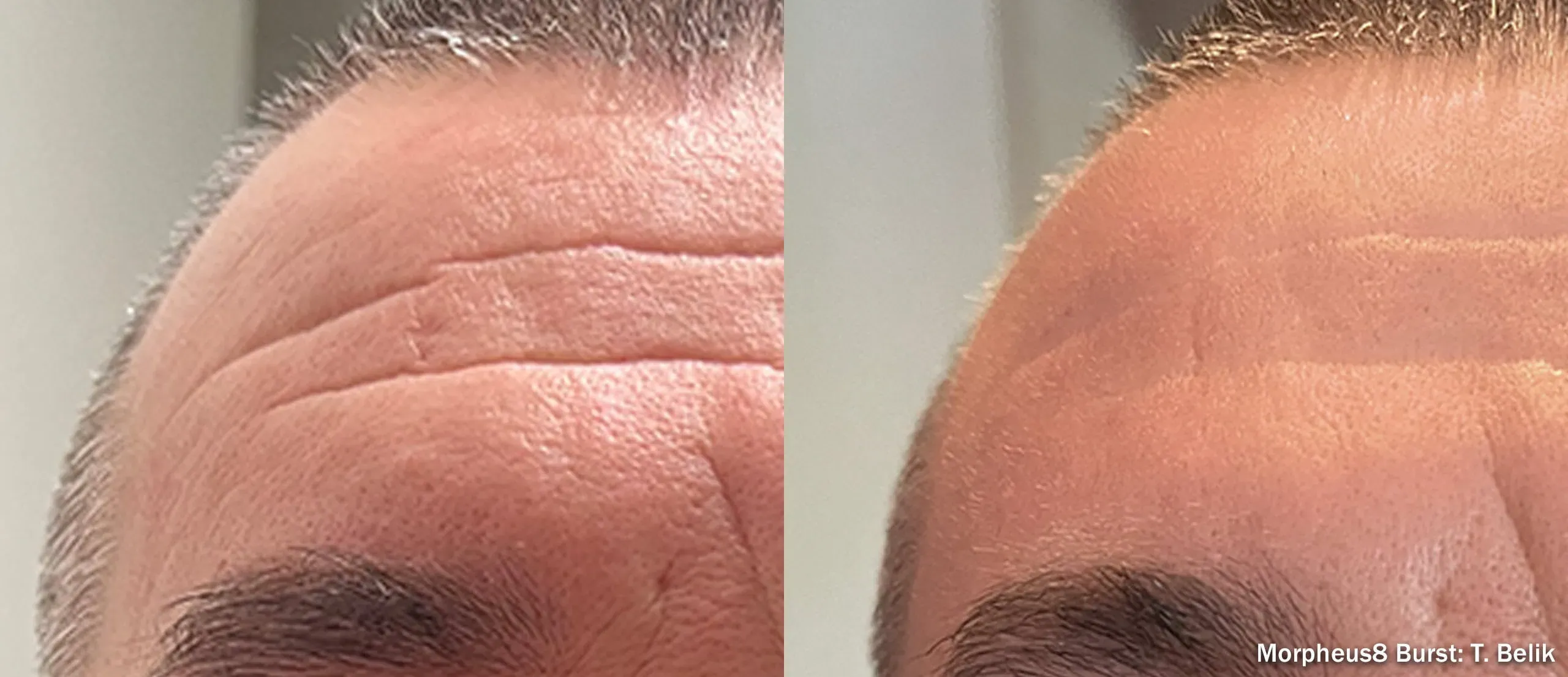
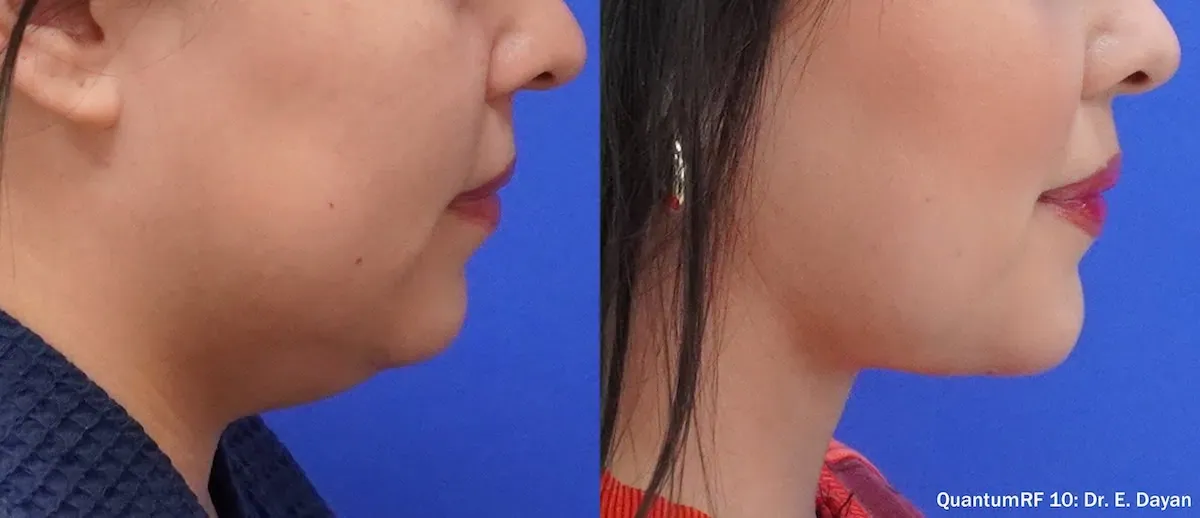
Significant weight loss reduces facial fat pads in the midface, temples, and lower face, and can lead to skin laxity considerations wherever the underlying volume has shifted faster than the skin can remodel. This is anatomy, not a side effect of the medication. At Aetheria that can include Sculptra for facial volume, Morpheus8 for skin tone, and QuantumRF for contour. The conversation typically begins around month four to six of active loss. Many patients begin Sculptra or Morpheus8 in the later phases of active weight loss or shortly after stabilizing; QuantumRF contouring is usually timed for when you are close to the weight you mean to keep.
I am already on a GLP-1. Can I continue it with Aetheria?
Yes. Many patients begin in-person clinical care after starting GLP-1 therapy. The first visit covers baseline labs, body composition, current dose and tolerance, side-effect history, and what you are looking for from ongoing care. From there the plan is yours: continue your current dose with in-person follow-up, taper into maintenance, or adjust based on what the labs show. The medication is one tool in a broader Metabolic Health plan, and the plan is built around your situation.
Can Aetheria plan the face and body side if my GLP-1 comes from an online program?
Yes, and you don't have to move your prescription to do it. Bring your current medication, dose, and any labs, and Melissa plans the aesthetic side in person: which layer is involved, which of Sculptra, Morpheus8, or QuantumRF fits it, and when to start based on your weight trend. If you'd rather have the GLP-1 care handled in person as well, that's available in the same room, with labs, body composition, and titration alongside the plan.
Which comes first after weight loss: Sculptra, Morpheus8, or QuantumRF?
The layer decides the tool. Hollowing at the cheeks, temples, or lower face is usually a Sculptra conversation. Skin tone, texture, and early laxity on the face, neck, or body is where Morpheus8 starts. A pocket of fat under the chin or along the jaw is QuantumRF's job: fat-side, where Morpheus8 is skin-side. The order follows your trend. Sculptra and Morpheus8 can begin in the later phases of active loss; QuantumRF waits until you're close to the weight you mean to keep. If skin excess is beyond what energy-based treatment is designed for, the personalized plan says so instead of proposing a series. Individual results vary.
Should I wait for my goal weight before any aesthetic treatment?
There's no universal number. The conversation usually opens around month four to six of active loss, once your trend is visible, and the timing is set from that trend rather than a template. Sculptra and Morpheus8 have a wider window. QuantumRF is contouring rather than a weight-loss tool, so it's planned for a body that's close to settled. Individual results vary.
Do I need an in-person visit to start a GLP-1?
At Aetheria, yes. Every program starts with an in-person consultation of about 60 minutes, where Melissa reviews your medical history and any labs you already have, and we may ask for bloodwork before a first dose. Check-ins during titration are in person too, so she can adjust your dose based on how you're tolerating it.
Where can I get semaglutide or tirzepatide in Pittsburgh?
At Aetheria Aesthetics & Wellness in Ross Township, in Pittsburgh's North Hills. Melissa Kolowitz, PA-C, prescribes and manages semaglutide and tirzepatide herself, and decides with you at an in-person consultation whether a GLP-1 fits and which one. Aetheria serves patients across the North Hills, Allegheny County, and surrounding areas, from our studio at Ross Park Mall. Many come from Ross Township, Wexford, Cranberry Township, Sewickley, and Mars.
Want the deep dive? Read our complete GLP-1 guide →
When you're ready.
Medical weight loss at Aetheria Aesthetics & Wellness is by consultation.