

Ross Township · Pittsburgh's North Hills · Precision Diagnostics
Gut Health Testing in Pittsburgh. A map of your microbiome.
GI-MAP (a DNA-based stool test of the microbiome, pathogens, and gut function), collected at home, interpreted in person. With Melissa Kolowitz, PA-C.
The Approach
Test what matters. Then act on it.
A stool panel is only as useful as the clinical reading behind it. At Aetheria, testing is never a product you buy and decode alone: Melissa orders the panel that fits your symptoms, reviews the full report with you in person, and turns the findings into a plan, or tells you plainly when a different test, or a referral, is the better path.
Clinical Summary
Gut health testing at Aetheria is built around the GI-MAP (the Gastrointestinal Microbial Assay Plus), an at-home stool test that uses qPCR, a DNA-based method, to read the gut microbiome, from beneficial and commensal bacteria to opportunistic overgrowth and dysbiosis. It also detects targeted pathogens (bacteria, parasites, yeast, and H. pylori with its virulence factors) and measures digestion and absorption through pancreatic elastase-1, steatocrit, and beta-glucuronidase, plus gut immune and barrier markers including secretory IgA, calprotectin for inflammation, and zonulin for intestinal permeability. Collection is a single stool sample at home; results are reviewed in person with Melissa Kolowitz, PA-C, who orders the test and turns findings into a concrete plan: nutrition, supplement support, targeted care, or a referral when that's the right step. It suits adults whose digestive symptoms have outrun routine care, and anyone building a plan from data. Individual results vary.
What the GI-MAP Panel Measures
One panel, read together.
Microbiome balance
The beneficial and commensal bacteria that keep digestion steady, read alongside opportunistic overgrowth and dysbiosis patterns. Not a single number, but the balance of the community.
Pathogens & H. pylori
Targeted bacteria, parasites, and yeast that can drive symptoms, plus H. pylori with its virulence factors, so a positive result is read for how likely it is to matter clinically.
Digestion & absorption
Pancreatic elastase-1 for enzyme output, steatocrit for fat breakdown, and beta-glucuronidase, markers of whether food is actually being broken down and taken in.
Gut immune & barrier
Secretory IgA for the mucosal immune response, calprotectin as an inflammation marker, and zonulin as a read on intestinal permeability, the barrier between the gut and the rest of the body.
"One sample, four lenses: the microbiome, pathogens, digestion, and the gut barrier."
Candidacy
Who this is for.
You're probably a great candidate if:
You have ongoing digestive symptoms (bloating, irregularity, discomfort), suspected food sensitivities, or fatigue, skin, and mood issues that may trace back to the gut, and you want a data baseline rather than guesswork. You can follow simple at-home collection instructions and want results interpreted by a clinician who knows your history.
Let's talk first if:
Your primary question is hormonal: the DUTCH hormone test is the right tool for sex and adrenal hormones, melatonin, and their metabolites, and we'll point you to it. Likewise if your symptoms suggest a condition that needs direct medical or GI workup first (testing never replaces evaluation), and a referral comes before a stool kit when that's the safer path.
"The right test answers the question you actually have. Sometimes that test isn't ours."
How Testing Works
From collection to plan.
Consultation.
A conversation about your symptoms, history, medications, and goals, with an honest assessment of whether stool testing will tell us something useful. If a different test fits better, Melissa says so.
At-home collection.
You collect a single stool sample at home using the kit, following simple instructions, and mail it to the lab. No blood draw, no extra office visit.
Lab analysis.
The lab runs the sample by qPCR, DNA-based detection, mapping the microbiome, targeted pathogens, and the digestion, inflammation, and barrier markers. Results typically return within a few weeks.
Results become a plan.
You review the full report with Melissa in person. Findings turn into a concrete plan: nutrition, supplement support, targeted care, or referral when something deserves further evaluation.
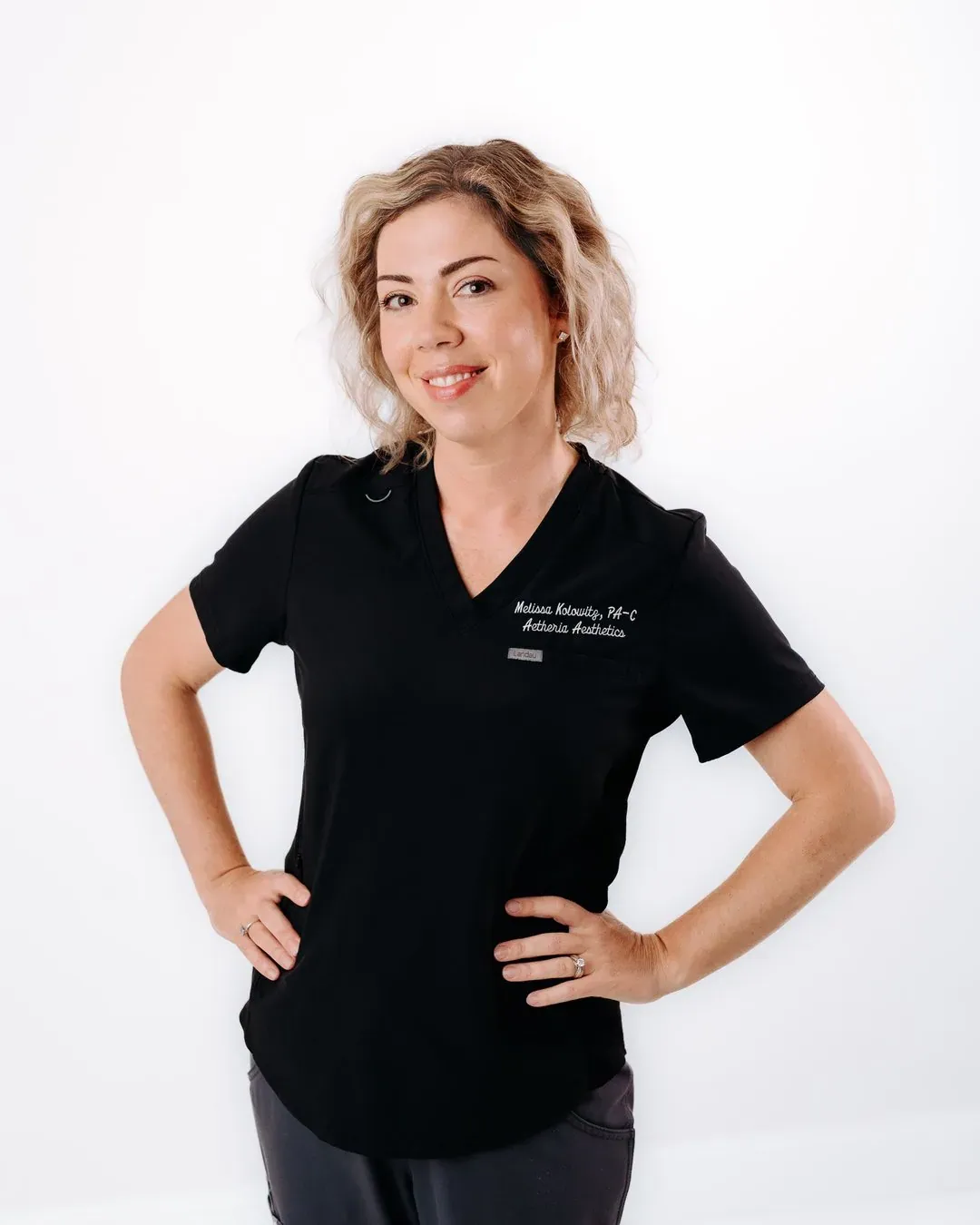
A note from Melissa
A note on functional testing, honestly.
Functional stool testing has a hype problem. Panels get sold as products, results arrive as a PDF, and patients are left matching colored bars to supplement bottles. That's not clinical care. A GI-MAP report is genuinely rich (the microbiome by DNA, pathogens, digestion, inflammation, and barrier markers), and it does its best work in a clinical reading: your symptoms, your history, your medications, and what we're actually trying to learn.
So testing at Aetheria starts with the question, not the kit. Sometimes the answer is the GI-MAP. Sometimes it's the DUTCH hormone test instead, because the real question is hormonal. Sometimes it's standard labs first, or a referral for a direct medical or GI workup. The test is a tool; the consultation is the care.
Individual results vary. Testing is informational and is interpreted in clinical context; it is not a diagnosis by itself, and findings outside our scope are referred appropriately.

Common Questions
Straight answers.
What patients ask before booking.
What's the GI-MAP test?
GI-MAP stands for Gastrointestinal Microbial Assay Plus, a stool panel run by an outside reference lab. It uses qPCR, a DNA-based method, to measure the gut microbiome, specific pathogens including bacteria, parasites, yeast, and H. pylori with virulence factors, and markers of digestion, inflammation, and intestinal barrier function from a single at-home stool sample. At Aetheria, the test is ordered and reviewed in person by Melissa Kolowitz, PA-C, who builds a plan from the findings.
How is GI-MAP different from the DUTCH gut marker?
They answer different questions. The DUTCH hormone test includes a single indirect gut marker, urinary indican, that can hint at dysbiosis or protein digestion concerns. GI-MAP is a dedicated stool analysis: it reads the microbiome directly by DNA, detects specific pathogens and H. pylori, and measures digestion, inflammation, and barrier markers. When your primary question is hormonal, the DUTCH test is the right tool; when it's digestive, GI-MAP is. Melissa helps decide which fits, or whether both do.
How does the at-home collection work?
You collect a single stool sample at home using the kit, following the included instructions, and mail it to the lab. There's no blood draw, and collection itself requires no office visit. Once the lab releases results, you review them with Melissa at a follow-up visit, where the findings become a concrete plan rather than a report you're left to interpret alone.
Who should consider gut testing?
Adults dealing with ongoing digestive symptoms such as bloating, irregularity, or discomfort, suspected food sensitivities, or fatigue, skin, and mood issues that may trace back to the gut, who want a data baseline rather than guesswork. Testing is also useful before or alongside a metabolic health plan, so support is built from data. Whether testing is appropriate is decided at consultation, and symptoms that need direct medical or GI workup come first.
Do I need a provider, and what happens after results?
Yes. GI-MAP is ordered through a qualified healthcare provider who can interpret the results and build a plan from them. At Aetheria, testing is ordered and reviewed in person by Melissa Kolowitz, PA-C. At a follow-up visit you review the full report together: the microbiome, any pathogens or H. pylori, and the digestion, inflammation, and barrier markers. From there the findings become a plan, which may include nutrition, supplement support, focused care, or a referral when something deserves further evaluation. Individual results vary, and any finding outside our scope is referred appropriately.
How long do GI-MAP results take?
Results usually come back within a few weeks of the lab receiving your sample, though lab turnaround varies. Shipping time to the lab adds a few days. Once the report is in, we schedule your follow-up visit with Melissa to go through it.
Where can I get a GI-MAP test in Pittsburgh?
At Aetheria Aesthetics & Wellness in Ross Township, in Pittsburgh's North Hills. Melissa Kolowitz, PA-C, orders the GI-MAP after an in-person consultation, when the test fits the question you're bringing, and reviews the results with you in person. Aetheria serves patients across the North Hills, Allegheny County, and surrounding areas, from our studio at Ross Park Mall. Many come from Ross Township, Wexford, Cranberry Township, Sewickley, and Mars.
Want the deep dive? Read the complete GI-MAP testing guide →
Start with data.
Gut health testing at Aetheria Aesthetics & Wellness begins with a consultation.