
Semaglutide and GLP-1 Therapy: A Practical Guide
GLP-1 medications like semaglutide have widened what medical weight care can offer, and they work best with real supervision: a full history, a dose raised slowly, and someone to call when side effects show up. This guide explains what semaglutide actually does, who it suits and who it does not, and what that supervised care looks like here, from Melissa Kolowitz, PA-C, at Aetheria Aesthetics & Wellness™ in Pittsburgh’s North Hills.
A note before we start: this is educational, not medical advice, and every decision below belongs in a real conversation with a provider who knows your history.
What is GLP-1, and what is semaglutide?
GLP-1 is a hormone your own gut makes when you eat. It tells the pancreas to release insulin, slows how quickly the stomach empties, and signals the brain that you are full (Cleveland Clinic). Semaglutide is a synthetic version of that hormone. It works by amplifying the same fullness and blood-sugar signals your body already uses (JAMA patient page).
It was first approved for type 2 diabetes, and the weight reduction seen in those studies led to its approval for weight management (NEJM, STEP 1). You will see it sold under several brand names: one approved for diabetes, a higher-dose version approved for weight management, and an oral tablet. All of them are prescription medications, not something to source over the counter (FDA prescribing information).
How does semaglutide support weight loss?
By acting on GLP-1 receptors, semaglutide does three things at once:
- It lowers appetite. It works on the hunger centers of the brain, so many people feel satisfied with less food and notice fewer urges to snack (Cleveland Clinic).
- It slows the stomach. Food moves through more slowly, so you stay full longer.
- It steadies blood sugar. It prompts insulin when blood sugar is high and eases the post-meal spikes that drive cravings (Cleveland Clinic Journal of Medicine).
In a 68-week study of adults with obesity, those on semaglutide with diet and exercise lost about 15 percent of their body weight on average, against roughly 2 to 3 percent for diet and exercise alone, and close to a third lost 20 percent or more (NEJM, STEP 1). Individual results vary, and the medication is an addition to nutrition and activity, not a substitute for them. It targets the biology of appetite; your habits still do the daily work.
One honest caveat that shapes how we counsel patients: most people regain a large share of the weight if they stop (STEP 1 extension). Semaglutide manages obesity as an ongoing condition rather than curing it, which is why we plan for the long game from day one.
Who is a candidate, and who is not?
Semaglutide for weight management is intended for adults who meet FDA criteria (FDA prescribing information): a BMI of 30 or higher, or a BMI of 27 or higher with a weight-related condition such as high blood pressure, type 2 diabetes, high cholesterol, or sleep apnea.
It is not the right tool for a few cosmetic pounds. These are long-term, costly medications, and the evidence says you likely stay on therapy to hold the result. If you have ten pounds to lose for an event, we will say so and point you somewhere more sensible.
Some people should avoid semaglutide entirely. Do not use it if you have a personal or family history of medullary thyroid carcinoma or the MEN2 syndrome (the medication carries a boxed warning based on rodent studies), a history of pancreatitis, severe gastroparesis, a known allergy to it, or if you are pregnant or trying to conceive (FDA prescribing information). We use extra caution, and a longer conversation, with active gallbladder disease, kidney concerns, or a history of eating disorders. This is exactly why we take a full in-person history before writing anything.
How we start and adjust the dose
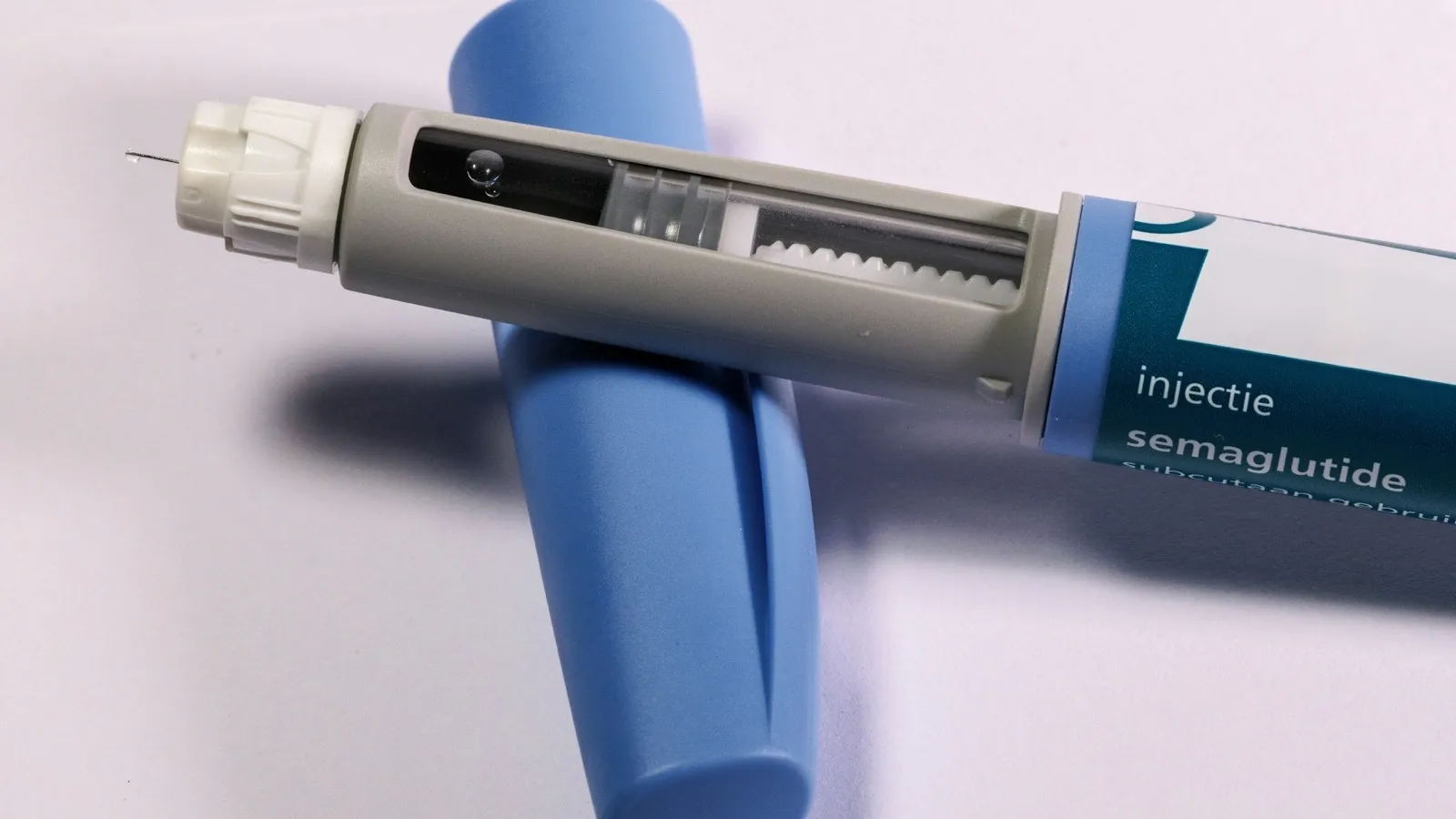
Semaglutide is a once-weekly injection just under the skin, from a prefilled pen, into the abdomen, thigh, or upper arm. The needle is very fine and most people find the shot nearly painless (Cleveland Clinic).
Treatment starts at a low dose and steps up gradually over roughly 16 weeks toward a maintenance dose, following the dosing schedule in the prescribing information (FDA label). That slow climb is deliberate: it gives your body time to adjust and keeps nausea manageable. If a step does not sit well, we hold you there longer, or step back down, rather than push through. The published schedule is a framework a provider adapts to you, not a plan to follow on your own. Rotate injection sites week to week, keep pens refrigerated until first use, and if you ever miss a dose, call rather than guess.